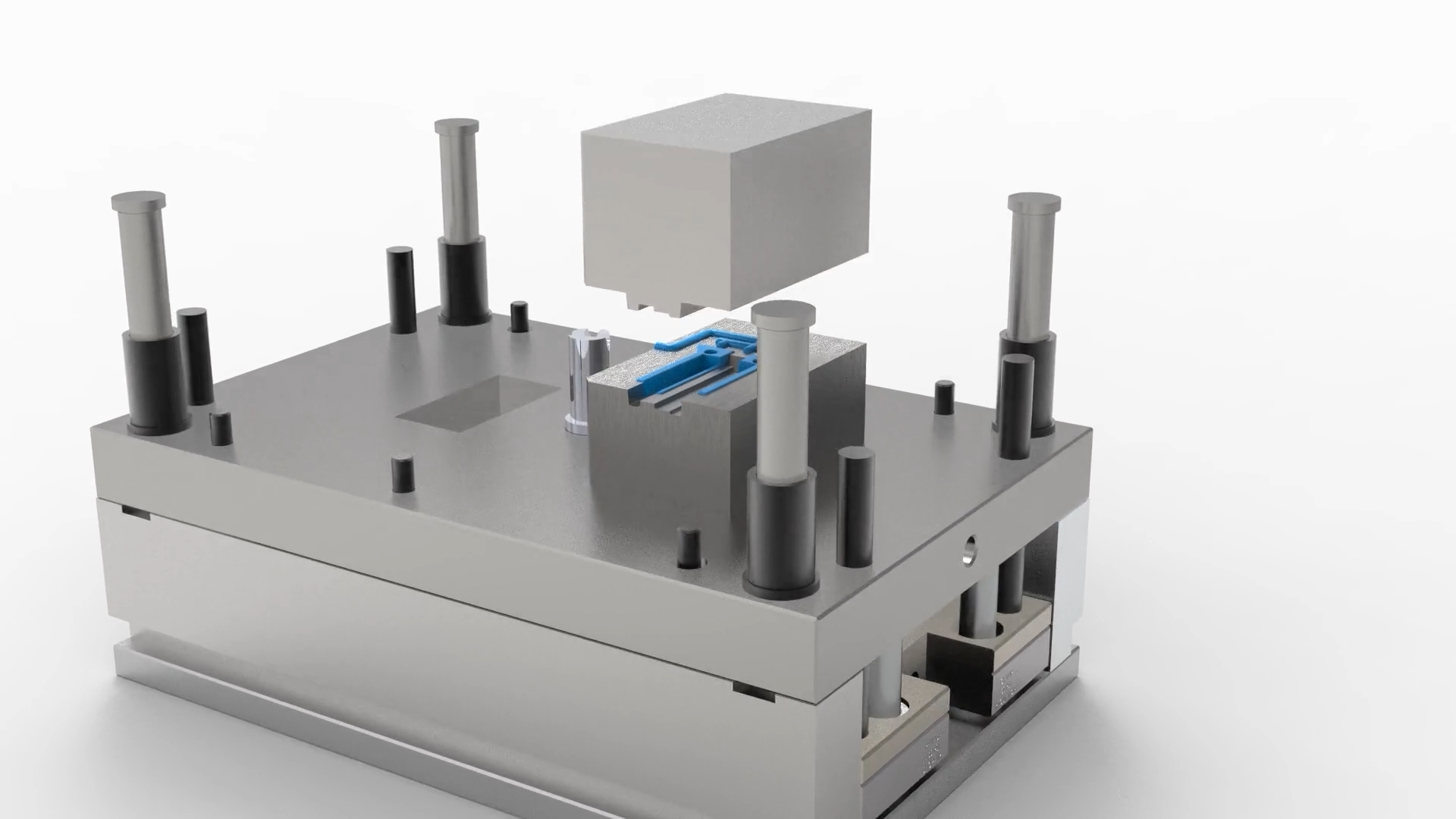
Validation Tooling Isn’t an Extra Step—It’s Insurance Against Expensive Mistakes
Every product team wants the same thing: a successful product launch that stays on schedule, stays on budget, and performs exactly as intended. Yet one of the biggest risks in product development often appears at the exact moment companies make their largest investment—production tooling.
Once production molds are built, design changes become dramatically more expensive. Engineering revisions that might have taken hours during development can suddenly require weeks of tool modifications, additional testing, and unexpected project costs.
That’s why experienced product development teams increasingly view validation tooling as far more than prototype tooling.
Validation Isn’t About Making Parts
A common misconception is that validation tooling exists simply to produce sample components. In reality, its primary purpose is to answer critical manufacturing questions before those questions become expensive problems.
Can the part fill consistently? Is the material performing as expected? Are cosmetic requirements achievable? Will the assembly function as intended? Can the process repeat reliably?
Every answer gained during validation reduces uncertainty before production begins.
The Earlier You Discover Problems, the Cheaper They Are to Fix
Every product eventually reveals its weaknesses. The difference is when they’re discovered.
Finding a draft issue during validation may require a CAD update. Finding that same issue after a hardened production mold is complete could mean tool rework, schedule delays, and significant additional expense.
Validation tooling shifts those discoveries earlier in the development cycle—when engineering changes are faster, less disruptive, and considerably less costly.
Production Intent Matters
Not every prototype accurately predicts production.
Effective validation tooling is designed around production intent, using realistic materials, gating strategies, processing conditions, and assembly requirements to generate meaningful manufacturing data.
The goal isn’t simply to prove a design can be molded, it is to understand how it will perform when production begins.
Confidence Is the Real Deliverable
At its core, validation tooling is a risk-reduction strategy. It gives engineering teams measurable data instead of assumptions. It helps quality teams establish repeatable processes. This step provides management with greater confidence before committing to production tooling and launch schedules.
At Catalyst, validation tooling may even become the production tool itself, particularly for lower-volume manufacturing programs where future engineering changes remain likely.
Learn When Validation Tooling Makes Sense
Validation tooling isn’t necessary for every product.
But when production tooling represents a significant investment—or when launch schedules, cosmetic requirements, assembly complexity, or manufacturing risk leave little room for error—it can be one of the smartest investments made during development.
Our newest whitepaper explores the role validation tooling plays in reducing manufacturing risk, improving product quality, and helping organizations transition from concept to production with greater confidence.